Palmira Club: Elevate Your Branding with Retro Script Typography
Every brand seeks a distinctive voice, and in the visual world, that voice often begins with typography. Choosing a typeface that conveys personality, warmth, and memorability can transform a simple logo into a lasting impression. This is where a resource like the Palmira Club typeface enters the conversation, offering designers a powerful tool for projects that demand a bold, retro-inspired aesthetic with a human touch.
Understanding the Palmira Club Typeface
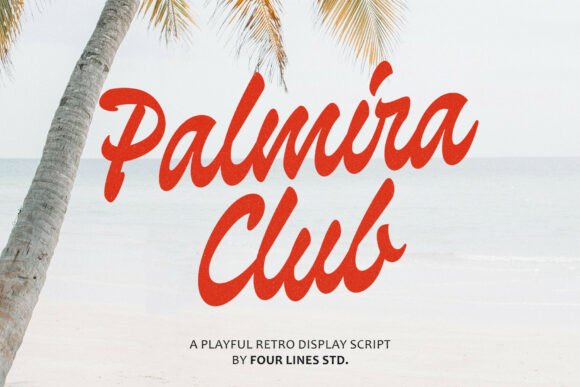
Palmira Club is a playful retro display script characterized by its expressive, dynamic handwritten style. Its design is intentional: the letterforms feature a natural flow with soft stroke contrast and a lively baseline rhythm. This creates an energetic visual impression while maintaining the crucial readability needed for larger applications like headlines and branding marks. It is not a body text font, but rather a specialist asset crafted for impact and personality.
In modern graphic design, where authenticity and emotional connection are paramount, such a typeface bridges the gap between digital precision and organic charm. It evokes a sense of nostalgia—perhaps of mid-century signage or vintage packaging—while feeling fresh and contemporary. This duality makes it exceptionally versatile for creating designs that feel both familiar and new.
Practical Applications for Visual Impact
The true value of a creative asset lies in its application. Palmira Club excels in scenarios where you need to inject energy, warmth, and a distinct retro flair into your visual communication. Consider these practical uses:
- Brand Identity & Logo Design: It serves as an excellent primary or secondary typeface for logos, especially for brands in the food, beverage, fashion, or lifestyle sectors aiming for a friendly, artisanal, or vintage-modern identity.
- Marketing & Advertising Materials: From posters and flyers to social media graphics and email headers, its bold presence commands attention. Use it for key headlines, taglines, or promotional callouts to boost engagement.
- Packaging & Merchandise: The font's warmth translates beautifully to product labels, boxes, tote bags, and apparel. It helps products stand out on a shelf and creates a tactile, crafted feel.
- Editorial & Web Design: In magazines, blogs, or website hero sections, it can create striking pull quotes or section titles. It adds personality to digital interfaces without compromising the user experience when used strategically.
- Event & Presentation Design: Make presentations, invitations, or event signage memorable. A dynamic script font sets a lively, engaging tone from the first glance.
Integrating Typography into Your Design Workflow
Simply having a great font is not enough; effective integration is key. When incorporating a display script like Palmira Club, thoughtful application ensures it enhances rather than hinders your design. Always consider its role within the broader visual hierarchy. It should typically be used for primary headlines or focal points, paired with a clean, neutral sans-serif or serif for supporting text to ensure overall readability.
Evaluate its compatibility with your project's color palette and imagery. A warm, retro script often pairs well with muted, earthy tones or bold, vintage-inspired color schemes. Test its scalability—ensure it remains legible and retains its character when sized up for a poster or down for a social media icon. Finally, align its personality with your audience's expectations. The playful energy of a font like Palmira Club resonates best with brands targeting demographics that appreciate creativity, nostalgia, and a handcrafted touch.
Ultimately, the thoughtful selection and application of typography is a cornerstone of professional graphic design. It shapes perception, guides the viewer's eye, and communicates brand values non-verbally. Investing in high-quality, purpose-built creative assets like expressive display fonts empowers designers, marketers, and business owners to build stronger brand identities, create more compelling marketing materials, and produce work that stands out in a crowded visual landscape. By making deliberate choices that align style with strategy, you elevate both the aesthetics and the effectiveness of every project you undertake.