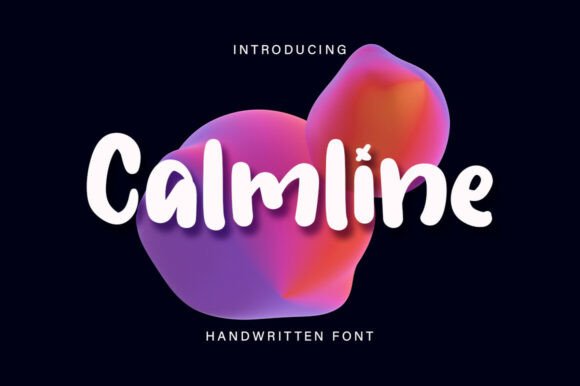
Calmline: The Handwritten Font That Adds Instant Authenticity
In a digital world saturated with polished, uniform typefaces, there's a growing hunger for designs that feel genuinely human. We crave that touch of personality, that whisper of authenticity that cuts through the noise. This is precisely where the Calmline font shines, offering a beautifully crafted handwritten style that brings warmth and effortless charm to any creative project. It’s more than just letters on a screen; it’s a design tool that infuses your work with an immediate sense of approachability and style.
The Power of Authentic Typography in Modern Design
Typography is a cornerstone of effective visual communication. The right font does more than display words; it sets a tone, conveys a personality, and guides the viewer's emotional response. In the realm of graphic design and branding, choosing between a serif, sans serif, or script font is a strategic decision. Handwritten fonts like Calmline occupy a unique and powerful niche. They bridge the gap between casual and elegant, making them incredibly versatile. Their slightly imperfect strokes and natural rhythm mimic the organic flow of real handwriting, which helps text feel more personal and emotional. This can significantly improve user engagement, as audiences are more likely to connect with a message that feels directed specifically at them.
Practical Applications Across Creative Projects
The true value of a design asset is measured by its usability. Calmline’s balanced aesthetic makes it a flexible workhorse for numerous applications, enhancing everything from brand identity to daily marketing content.
- Branding and Logo Design: For brands aiming for a friendly, artisanal, or boutique feel, Calmline can form the core of a memorable logo. It communicates care and craftsmanship, perfect for bakeries, craft studios, consultants, or lifestyle brands.
- Social Media Graphics: In the fast-scrolling world of social media, posts need to stop thumbs. Using Calmline for quotes, announcements, or overlay text on images adds a distinct visual hierarchy and a personal touch that static, corporate fonts often lack.
- Website and UI Design: While body text requires high readability, handwritten fonts are excellent for accents in web design. Think hero section quotes, call-to-action buttons, or testimonial callouts where a human voice is needed.
- Packaging and Editorial Design: On product packaging, Calmline can highlight key ingredients or a brand story. In editorial layouts, it can draw attention to pull quotes or section headers, breaking up dense copy and adding visual interest.
- Marketing and Presentations: From email headers to slide decks, incorporating a font like Calmline can make communications feel less formal and more engaging, helping your message resonate during advertising campaigns or client pitches.
Tips for Effective Implementation
Integrating a handwritten font into your design workflow requires thoughtful consideration to maintain professionalism and readability.
- Balance is Key: Pair Calmline with a clean, simple serif or sans serif font for body text. This contrast creates a polished visual hierarchy, ensuring your design remains legible and structured.
- Consider Your Audience: While perfect for creative, lifestyle, or consumer-facing brands, assess if the style aligns with your audience's expectations. It may be less suited for highly formal, legal, or technical industries.
- Test for Readability: Always check how the font renders at different sizes, especially for smaller text or on mobile screens. Its organic style works best for headlines, logos, and short phrases rather than lengthy paragraphs.
- Maintain Consistency: Use it strategically as part of your brand’s typography system. Overusing any distinctive font can dilute its impact and make your brand identity feel scattered.
Ultimately, the most effective designs are those that communicate clearly and connect emotionally. Selecting creative assets like the Calmline font is an investment in your project’s personality. It allows you to craft a visual narrative that is both aesthetically pleasing and deeply resonant, ensuring your work doesn’t just get seen—it gets felt. In the crowded landscape of digital content, that authentic connection is what transforms casual viewers into engaged audiences.